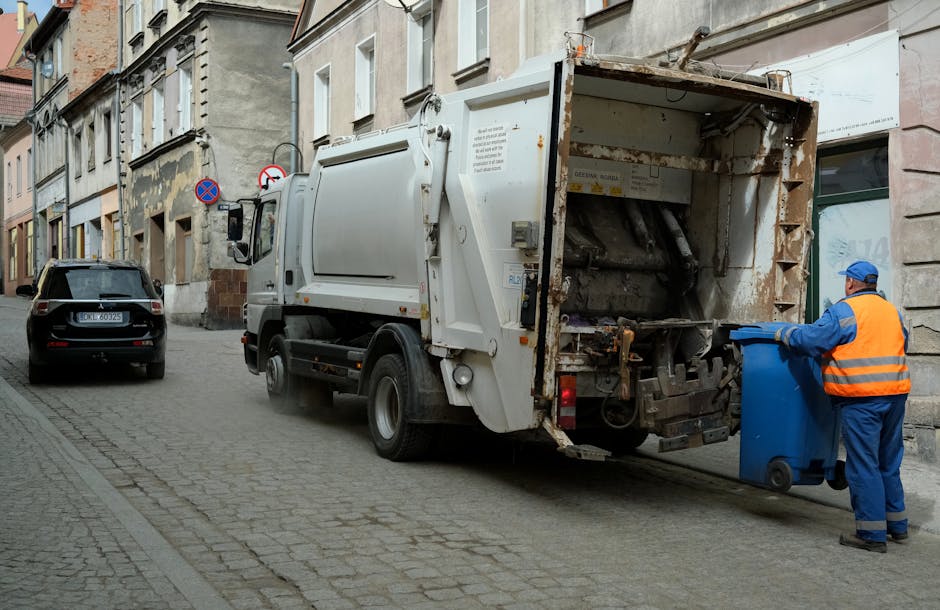
Garden Clearance in Charlton

Garden clearance in Charlton should leave outdoor spaces neat, usable and ready for whatever comes next, whether that means regular maintenance, a redesign, or simply reclaiming a plot that has become cluttered. We deal with the practical removal of green waste and unwanted outdoor items so the space can be brought back under control without the job becoming drawn out. The work can include a mix of light and heavy garden materials, collected with care and sorted where possible.
Our service is built around straightforward garden clearance work rather than unnecessary complication. That may involve old plant cuttings, soil-filled bags, broken pots, damaged timber, household items left outside, and other debris that has accumulated over time. In many cases the aim is to clear enough in one visit to let the garden be used properly again, while keeping attention on access, surface protection and sensible loading. If you are comparing options, it helps to begin with the kind of material involved and the amount to be cleared.
For a clear quote, it is useful to describe the main items, the approximate volume, and any awkward access such as narrow side passages or shared entrances. You do not need a perfect inventory before making an enquiry; a practical outline is usually enough to start. If you already know which parts of the garden are staying and which are going, that helps us shape the work around the right areas. Use plain details and you will get a more accurate response.
What a garden clearance can cover
Garden clearance is often more varied than people expect. One job may focus on cut branches, hedge trimmings and turf, while another may involve a more mixed collection of outdoor waste. We can help with items that are no longer needed in the garden itself, as well as organic material that is too much for ordinary garden bags or council collection routines. The goal is to clear efficiently while keeping the process as orderly as the site allows.
Typical clearance work may include pruning waste, leaves, weeds, compacted compost, old planting containers, broken fencing sections, damaged shed contents, and weather-worn garden furniture that has reached the end of its use. When materials are mixed, sorting becomes part of the job so recyclable or separable items are handled sensibly. A tidy finish matters, but so does the way the work is carried out, especially where the space is shared with neighbours or has limited turning room.
Common outdoor materials
The most straightforward way to plan a clearance is to group the items by type. Green waste behaves differently from timber, metal, plastics or general outdoor clutter, and knowing the main mix helps the job run smoothly. If you are unsure whether something counts as garden waste or something broader, it is usually enough to describe it plainly. A practical service should adapt to the site, not force the site into a narrow category. Clear information produces clearer planning.
Garden waste, bulky items and mixed loads

Many outdoor clearances involve a mixture of soft garden waste and awkward bulky items. A hedge trim can create bags of light debris, but a longstanding clearance may also uncover timber panels, old planters, broken ornaments, rotting compost bins or rusting tools. Dealing with the lot together can save time and reduce the number of separate arrangements a customer needs to make. The key is to identify what is present and how it is spread across the space.
Where a garden contains both organic and non-organic material, a good clearance plan will account for the weight, shape and load order of each item. Heavy pieces may need to come out first so lighter waste can be stacked safely afterwards. Loose waste may be easier to collect if it is gathered into manageable piles before removal begins. If access is awkward, this sort of sequence matters even more, because it reduces unnecessary handling and helps keep paths clear as the work proceeds.
Before the work starts, it is often worth thinking through which items should stay in the garden and which are ready to go. That avoids confusion once the clearance is under way and helps keep the job focused. If a shed, patio or border is involved, point out any areas that need to be left untouched. A brief message is usually enough to request a quotation and set the right expectations.
How we approach access and loading
Access can shape the whole clearance. Narrow side returns, steps, shared paths, sloping gardens and soft ground can all influence how the work is organised. Rather than treating every job the same, we plan the route that makes the removal safe and practical. That may mean staging items in a sensible order, taking care over surfaces, or adjusting the pace so the site remains manageable from start to finish.
When materials are loaded carefully, the job is usually more efficient and less disruptive. Heavier items need stable handling, while loose waste should be contained so it does not spread back across the garden. In a mixed clearance, it is also helpful to separate the especially messy material from cleaner salvageable items, because that can make the site tidier as soon as the main work is complete. If the garden includes delicate paving or recently laid turf, those details are worth mentioning early.
- Identify the main waste types present in the garden
- Note any narrow entrances, steps or shared access points
- Point out items that must remain in place
- Ask for a quotation based on the likely volume and difficulty
Clearing overgrown spaces and neglected corners

Some Charlton gardens need more than a simple bag-and-go clearance. Overgrown corners, areas behind sheds and long-neglected beds can hide a surprising amount of waste. Clearing these spaces may involve lifting dense growth, exposing buried litter or taking out objects that have become trapped under vegetation. A measured approach keeps the work under control and prevents the job from becoming untidy again while it is still in progress.
Where growth has taken over, the practical aim is to remove what is preventing the garden from being used well. That may include cut back branches, invasive weeds, dead stems, stale compost, collapsed supports or items left behind after earlier planting projects. In some cases the work is best divided into sections so the ground can be checked properly as each area is opened up. This is particularly useful when the space has been unused for a while and the exact condition is not yet fully visible.
For homeowners, landlords and property managers alike, a neglected garden can create a long list of small jobs that are easier to deal with together than one by one. A well-planned clearance can bring the site back to a stage where trimming, replanting or simple maintenance becomes much easier. If you are ready to move forward, send a brief description and ask for a quotation based on the actual scope.
Fence lines, sheds and garden structures
Outdoor clearances often include items positioned around the edges of the garden rather than in the main open area. Fence lines, shed sides and corners behind bins tend to collect damaged timber, packaging, garden offcuts and forgotten equipment. These spaces are worth clearing carefully because they are easy to overlook and can hide awkward objects that need separate handling. Removing that clutter can make the whole garden feel more coherent, not just tidier in the obvious areas.
Some structures also come with loose contents that should be removed before any broader clearance can be completed properly. That might include shelving, broken storage boxes, old pots, empty compost bags or loose fixtures that are no longer useful. If an item is fixed rather than loose, it should be described in advance so the approach can be assessed appropriately. This is especially important where timber panels, posts or fittings are attached to something that must remain in place.
Garden clearances are rarely identical, which is why it helps to separate the work into manageable parts when planning. One section may be mainly waste removal, while another may require more care around a structure or boundary. By describing the main features of the garden, you can get a quotation that reflects the work more accurately. That makes it easier to choose the right service level.
Pricing, scope and what affects the quotation

Garden clearance pricing usually depends on the amount of material, the kind of waste involved and how straightforward the access is. A small collection of green waste is different from a mixed load containing bulky or heavy items. Time on site, the need for sorting, and the distance materials must be moved all play a part. A clear quotation normally reflects the job as it appears rather than relying on a one-size-fits-all figure.
It is also useful to think about how prepared the garden is before the clearance begins. Items already grouped together are simpler to handle than waste spread across several corners. Likewise, a site with direct access is easier to work through than one with long carrying routes or tight turns. If you are gathering details for a quote, keep it simple: the main items, approximate quantity, and any access concerns. That is usually enough to start the conversation without overcomplicating it.
If you are comparing several options, ask each provider what is included in the scope they are quoting for. The same phrase can mean different things in different contexts, so clarity matters. A quote should match the actual work required, including any sorting or awkward removal that the site demands. If you are ready for a practical price, please get in touch and ask for a quotation.
About Charlton
Charlton is a district in the Royal Borough of Greenwich in south-east London, positioned between Greenwich to the west and Woolwich to the east. Its setting is shaped by the Thames-side landscape, the transport corridors that have long linked east and central London, and the mix of older residential streets with later development around its rail and road connections. Charlton has an identity that combines historic settlement patterns with the practical character of a working urban neighbourhood, and that blend is visible in both its built form and its open spaces. Charlton House, one of the area’s best-known historic buildings, stands as a reminder of the district’s seventeenth-century heritage, while the surrounding streets show the layering of later housing and local commerce. The area also has strong sporting associations, most famously through The Valley, home of Charlton Athletic, which has become one of the clearest landmarks in the district’s modern public life. Nearby, the Thames Path and the wider riverside environment connect Charlton with the east London waterfront, while green spaces such as Maryon Park and Maryon Wilson Park provide wooded, hilly ground unusual in a dense part of the capital. These parks are valued for their terrain, views and sense of enclosure, and they contribute to a local landscape that feels more varied than many inner suburban districts. The area has also retained traces of former industrial use and river-related activity, giving it a history that moves between domestic, civic and working waterfront character. Taken together, Charlton’s architecture, parks, riverside links and established neighbourhood streets create a place with a distinct local identity within Greenwich.
Household and domestic garden clearances
Domestic gardens often accumulate more than people expect, especially after a period of renovation, moving house or general overhaul. A clearance can deal with the outdoor side of that change by removing the surplus items that no longer fit the way the property is being used. That might mean old pots, broken chairs, spare timber, unused garden tools, or bags of waste left after planting or landscaping work. The aim is to reduce clutter and make the outdoor area easier to maintain afterwards.
Household-related garden work can also overlap with items stored temporarily outside. When that happens, it is best to separate what should stay from what should be removed before the clearance begins. We can then focus on the garden-facing material without creating confusion about indoor belongings. For landlords and tenants, the same approach helps keep the job efficient and avoids misunderstandings about what is included. If you need a structured garden clearance in Charlton, the simplest route is to describe the outdoor items and ask for a quote.
Where the garden has been used for storage over time, the work may need a little more sorting than a routine tidy-up. That is still manageable as long as the scope is clear. A concise message with the main items and access details is enough to start. Short, specific information helps the quotation process stay accurate.
Recycling, sorting and responsible handling

A careful garden clearance should not treat every item as though it is identical. Different materials are best handled in different ways, and good sorting helps keep the job organised. Green waste, timber, plastics, metal fixtures and general outdoor clutter are not all the same, so separating them where appropriate is part of a sensible clearance process. That approach is useful both for practical handling and for keeping the final result tidy.
Where recyclable materials are present, sorting can make disposal more orderly and reduce unnecessary mixing of waste streams. This matters most in larger clearances, but it can also be relevant in modest domestic jobs if the space contains a varied set of items. A systematic approach helps avoid overlooking smaller objects hidden among larger piles. It also gives a more complete finish, because the cleared area is less likely to be left with stray fragments and awkward leftovers.
Some customers prefer to have the work handled in stages, especially if the garden contains a mixture of waste and items they are still deciding about. That is fine as long as the main removal priorities are clear. If you want the work priced accurately, a clear description of the site and the likely load is the best starting point. When you are ready, request a quotation and we can help you plan the next step.
Planning a straightforward clearance
Good planning keeps the work calm and efficient. The most useful information is usually the simplest: what needs removing, where it is located and whether anything awkward affects access. You do not need a lengthy explanation, but it does help to say if the waste is spread across the whole garden or concentrated in one area. That gives a clearer picture of the likely effort involved and helps ensure the quotation matches the task.
If you are preparing for the clearance, try to keep pathways open where possible and separate items that are staying from those that are going. That reduces the chance of confusion and helps the job move in a logical order. Where there are delicate plants, fragile edging or uneven surfaces, mentioning them in advance is sensible. The more the site is understood before arrival, the easier it is to clear it properly without unnecessary disruption.
For many customers, the next step is simply to make contact and describe the garden in ordinary language. A brief outline is enough to begin the process, and a quotation can then be shaped around the actual work. If you are ready to move ahead, ask for a quotation and tell us what needs clearing. The first step can be as simple as a short message.