Health & Safety Policy — Garden Clearance Charlton
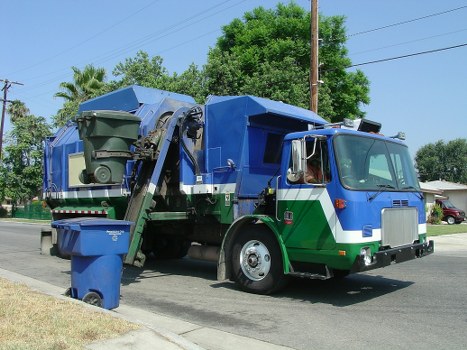 Garden Clearance Charlton is committed to maintaining the highest standards of health and safety in all garden and rubbish removal operations. This policy outlines our approach to protecting employees, contractors, clients and members of the public while delivering efficient garden clearance services and waste management. The company recognises that safe working practices and robust management systems are essential to reduce harm and ensure legal and ethical compliance across our rubbish collection and waste removal activities.
Our objectives are to prevent accidents and occupational ill health, to minimise environmental impact, and to ensure that every task is planned and supervised. Responsibilities are allocated at management and operational levels: senior management endorse policy and resource allocation, supervisors implement procedures on site, and every operative is required to follow safe systems of work. The policy applies to all operations including clearance of vegetation, removal of garden waste, bulky item collection and disposal of mixed refuse.
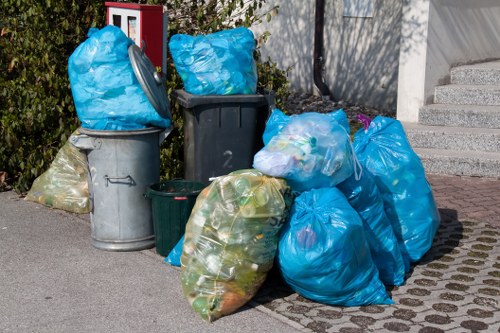 Risk assessment and control measures underpin every job. Before work begins a documented assessment identifies hazards associated with the site, waste types, access, weather and traffic. Identified hazards are controlled using the hierarchy of controls: elimination, substitution, engineering controls, administrative measures and personal protective equipment. Charlton garden clearance teams are trained to recognise site-specific risks such as sharp objects, hazardous substances, buried services and unstable structures.
Operational Controls and Safe Systems of Work
Safe systems of work are developed for routine and non-routine tasks. These procedures cover vehicle loading and securement, manual handling, use of cutting and shredding equipment, and segregation of recyclable materials. All plant and tools used in rubbish clearance and garden waste processing are maintained to manufacturers' standards, and maintenance records are retained. Waste removal operations include clear exclusion zones, signalling for vehicle movements and the use of banksmen where visibility is restricted.
 Vehicle safety and traffic management are critical for mobile teams. We enforce vehicle inspections before each shift, secure loads to prevent spills, and ensure drivers hold appropriate licences. Teams working in residential or high-footfall areas operate with a greater emphasis on pedestrian protection and controlled access. Manual handling training is provided to reduce musculoskeletal injury, and mechanical aids are supplied for heavy or awkward waste items.
Hazardous and potentially contaminated materials discovered during clearances are treated with caution. Where necessary, operations are paused and specialist removal is arranged. Procedures include identification, safe containment and documentation of hazardous waste, and coordination with licensed disposal routes. Team members are instructed to report suspected asbestos, contaminated soils, chemical containers, and medical waste immediately.
Training, Competence and Incident Management
Competence is maintained through initial induction and regular refresher training covering first aid, safe use of tools, COSHH awareness for relevant substances, and emergency response. Records of training, qualifications and equipment checks are held centrally. Supervisors conduct toolbox talks to reinforce controls for daily tasks and to highlight seasonal or site-specific hazards associated with garden rubbish clearance and green waste processing.
 Emergency procedures are established for incidents including injury, spillages, fire and unforeseen hazards. First aid arrangements, communication protocols and access for emergency services are included in site planning. Fire risks associated with dry vegetation and fuel storage are assessed and mitigated through safe storage, exclusion of ignition sources and provision of extinguishers where appropriate.
 We maintain an incident reporting and investigation process designed to identify root causes and prevent recurrence. All accidents, near misses and dangerous occurrences are recorded, reviewed by management and result in corrective actions as required. Lessons learned are shared across teams to strengthen our operational resilience and to embed a culture of continuous improvement within our rubbish clearance services.
Personal protective equipment (PPE) is provided based on the task-specific risk assessment and includes gloves, hi-vis apparel, eye and hearing protection and sturdy footwear. The company enforces PPE use and conducts spot checks. Hygiene measures for operatives handling garden waste and mixed refuse include handwashing facilities, sanitiser availability and protocols for contaminated clothing.
Environmental controls form part of the policy to ensure responsible waste handling. We prioritise segregation for recycling and reuse, aim to minimise landfill disposal and follow permitted routes for contaminated or hazardous waste. Operational supervisors oversee waste transfer documentation to ensure full traceability from site collection to final disposal or recycling facility.
Monitoring and review of health and safety performance are carried out through regular inspections, audits and management reviews. Key performance indicators include incident rates, training completion, equipment service status and compliance with operational procedures. The policy is reviewed at least annually or when significant changes occur to legislation, operations or personnel. By embedding these standards into everyday practice, Garden Clearance Charlton delivers safe, reliable and compliant rubbish removal and garden clearance services.