Waste Removal Services in Charlton: Keeping Your Community Clean and Safe
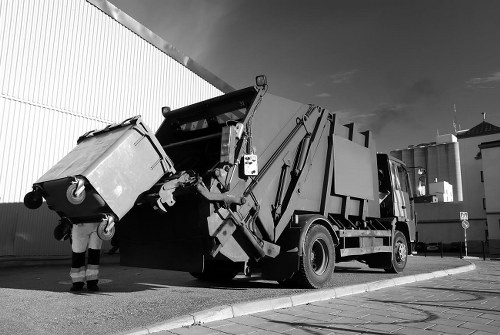
Waste removal is an essential service that keeps our communities clean, healthy, and safe. In Charlton, efficient waste management plays a critical role in maintaining the quality of life for residents and businesses alike. This article explores the various aspects of waste removal in Charlton, including available services, benefits, environmental impact, and tips for effective waste management.
Charlton, a vibrant community, has seen significant growth over the years. With this growth comes the increased need for robust waste removal systems to handle residential, commercial, and industrial waste. Proper waste management not only ensures a cleaner environment but also supports public health and sustainability initiatives.
The primary goal of waste removal in Charlton is to efficiently collect, transport, and dispose of waste materials. This involves a combination of recycling, composting, landfilling, and waste-to-energy conversion. By employing these methods, Charlton aims to minimize landfill usage, reduce greenhouse gas emissions, and promote a circular economy.
The Importance of Waste Removal Services
Effective waste removal services are crucial for several reasons. Firstly, they help in maintaining public health by preventing the accumulation of waste, which can attract pests and spread diseases. Proper waste disposal also reduces the risk of environmental contamination, safeguarding soil and water quality.
Moreover, waste removal services support recycling and resource recovery efforts. By segregating recyclable materials, Charlton can conserve natural resources, reduce energy consumption, and lower the ecological footprint of the community. This aligns with broader environmental goals and contributes to global sustainability.
Additionally, efficient waste management can have economic benefits. It creates job opportunities in the waste management sector and can attract environmentally conscious businesses to the area. Investing in waste removal infrastructure also enhances the overall aesthetics of Charlton, making it a more attractive place to live and work.
Types of Waste Managed in Charlton
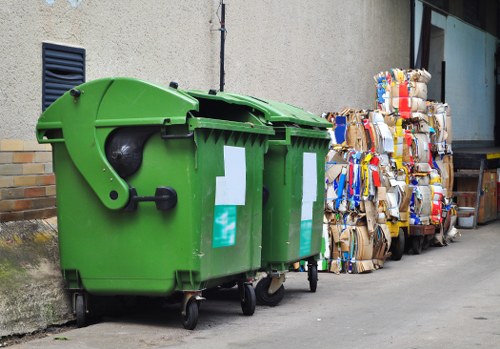
Charlton's waste management system handles various types of waste, each requiring specific handling and disposal methods. The primary categories include residential waste, commercial waste, industrial waste, and hazardous waste.
Residential Waste: This includes everyday household waste such as food scraps, packaging, and non-recyclable materials. Residential waste is typically collected through curbside pickup services and transported to local recycling centers or landfills.
Commercial Waste: Businesses generate commercial waste, which can include office waste, packaging materials, and electronic waste. Proper disposal of commercial waste is essential to maintain a clean business environment and comply with local regulations.
Industrial Waste: Industrial facilities produce significant amounts of waste, often requiring specialized handling. Industrial waste can include manufacturing by-products, chemicals, and other materials that necessitate careful disposal to prevent environmental contamination.
Hazardous Waste: Hazardous waste includes materials that are flammable, toxic, corrosive, or reactive. Proper management of hazardous waste is critical to ensure it does not pose a threat to human health or the environment. Charlton employs strict protocols for the collection and disposal of hazardous materials.
Waste Removal Techniques and Technologies
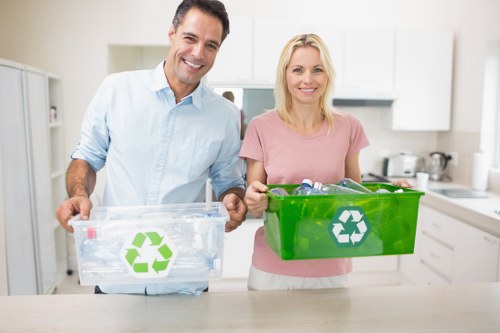
Charlton utilizes a variety of techniques and technologies to manage waste effectively. These methods are designed to optimize waste collection, enhance recycling rates, and minimize environmental impact.
- Recycling Programs: Charlton promotes comprehensive recycling programs that encourage residents and businesses to sort their waste. Recyclable materials such as paper, glass, metal, and plastics are collected separately and processed for reuse.
- Composting: Organic waste, including food scraps and yard waste, is composted to produce nutrient-rich soil amendments. Composting reduces the amount of waste sent to landfills and supports sustainable gardening practices.
- Waste-to-Energy: Waste-to-energy facilities convert non-recyclable waste into electricity or heat. This process reduces the volume of waste and recovers energy that can be utilized by the community.
- Landfilling: Landfills are used for the final disposal of residual waste. Charlton ensures that landfills are managed responsibly, with measures in place to prevent contamination and control emissions.
- Advanced Sorting Technologies: Modern sorting technologies, including automated systems and artificial intelligence, enhance the efficiency of waste separation and recycling processes.
Environmental Impact of Waste Removal
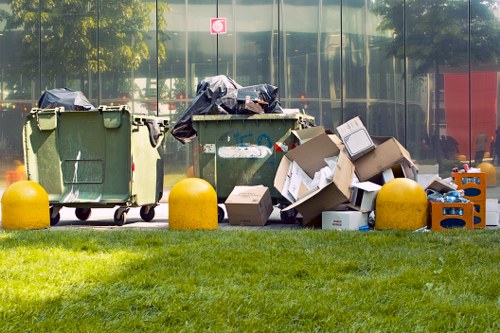
The environmental impact of waste removal is a significant consideration for Charlton. Proper waste management practices help mitigate negative effects on the environment, including pollution, resource depletion, and greenhouse gas emissions.
By prioritizing recycling and resource recovery, Charlton reduces the need for raw material extraction, conserving natural resources and reducing habitat destruction. Recycling also saves energy compared to producing materials from virgin resources, contributing to lower carbon emissions.
Composting organic waste returns nutrients to the soil, enhancing soil health and reducing the need for chemical fertilizers. This practice supports sustainable agriculture and gardening, promoting biodiversity and ecosystem resilience.
Waste-to-energy technologies provide an alternative to landfilling, reducing the volume of waste and generating renewable energy. This not only diminishes landfill requirements but also helps meet local energy needs sustainably.
Challenges in Waste Removal
Despite advancements in waste management, Charlton faces several challenges in waste removal. Addressing these obstacles is essential to maintaining an effective and sustainable waste management system.
Population Growth: Rapid population growth increases the volume of waste generated, putting pressure on existing waste removal infrastructure. Charlton must continuously adapt and expand its services to accommodate rising waste levels.
Recycling Contamination: Contamination of recyclables with non-recyclable materials can hinder the recycling process, leading to inefficiencies and increased costs. Educating the public on proper recycling practices is vital to minimize contamination.
Funding and Resources: Adequate funding is necessary to maintain and upgrade waste removal systems. Charlton must allocate resources effectively to ensure that waste management services remain efficient and sustainable.
Regulatory Compliance: Compliance with local, state, and federal regulations requires ongoing effort and investment. Charlton must stay updated with regulatory changes and implement necessary measures to meet legal requirements.
Strategies for Effective Waste Management
To overcome challenges and enhance waste removal services, Charlton employs several strategies aimed at improving efficiency, increasing recycling rates, and promoting sustainability.
- Public Education and Outreach: Charlton conducts educational campaigns to inform residents and businesses about the importance of proper waste disposal and recycling. Workshops, informational materials, and community events help raise awareness and encourage responsible waste management practices.
- Infrastructure Investment: Investing in modern waste management infrastructure, such as recycling centers, composting facilities, and waste-to-energy plants, enhances the capacity and efficiency of waste removal services.
- Enhanced Collection Services: Expanding collection services to include more pickup days, additional waste streams, and specialized collection for bulky items improves overall waste management.
- Incentive Programs: Implementing incentive programs, such as pay-as-you-throw schemes or rewards for high recycling rates, motivates residents to participate actively in waste reduction and recycling efforts.
- Partnerships and Collaboration: Collaborating with businesses, non-profits, and government agencies fosters a unified approach to waste management. Partnerships can lead to innovative solutions and shared resources for more effective waste removal.
Role of Technology in Waste Removal
Technology plays a pivotal role in enhancing waste removal services in Charlton. Advanced technologies streamline waste collection, improve sorting accuracy, and optimize disposal processes, leading to greater efficiency and sustainability.
Smart Bins: Smart bins equipped with sensors monitor waste levels in real-time, allowing for optimized collection routes and schedules. This reduces fuel consumption, lowers operational costs, and ensures timely waste pickup.
Automated Sorting Systems: Automated sorting technologies use artificial intelligence and machine learning to accurately separate recyclable materials from mixed waste streams. This increases recycling rates and reduces the reliance on manual sorting labor.
Data Analytics: Data analytics enable waste management authorities to analyze waste generation patterns, predict future trends, and make informed decisions about resource allocation and service improvements.
Drones and Robotics: Drones and robotic systems assist in monitoring landfill sites, inspecting waste processing facilities, and performing tasks that enhance safety and operational efficiency.
Community Involvement in Waste Management
Community involvement is essential for the success of waste management programs in Charlton. Active participation from residents and businesses ensures that waste removal services operate smoothly and meet the community's needs.
Engaging the community through educational initiatives, volunteer programs, and public consultations fosters a sense of responsibility and collaboration. When individuals understand the importance of waste management, they are more likely to adhere to guidelines and contribute to sustainability efforts.
Community-driven projects, such as neighborhood clean-ups and recycling drives, strengthen the collective commitment to maintaining a clean and healthy environment. These initiatives also provide opportunities for residents to take pride in their community and work together towards common goals.
Benefits of Professional Waste Removal Services
Opting for professional waste removal services in Charlton offers numerous benefits compared to DIY waste management approaches. Professional services ensure efficiency, compliance, and environmental responsibility.
- Efficiency: Professional waste removal companies have the expertise, equipment, and infrastructure to handle waste collection and disposal efficiently. This results in timely pickups and minimizes disruptions for residents and businesses.
- Compliance: Professional services are well-versed in local regulations and ensure that waste is disposed of in accordance with legal requirements. This helps avoid fines and legal issues related to improper waste disposal.
- Environmental Responsibility: Professional waste removal services prioritize environmentally friendly practices, such as recycling, composting, and waste-to-energy conversion. This supports Charlton's sustainability goals and reduces the community's environmental impact.
- Convenience: Outsourcing waste removal simplifies the process for residents and businesses, allowing them to focus on their daily activities without worrying about waste management logistics.
- Cost-Effectiveness: While there may be upfront costs associated with professional services, the long-term benefits, including reduced labor and disposal costs, make it a cost-effective solution.
Choosing the Right Waste Removal Service in Charlton
Selecting the appropriate waste removal service is crucial to achieving effective waste management in Charlton. Consider the following factors when choosing a service provider:
- Service Range: Ensure that the service provider offers the types of waste removal you require, whether it's residential, commercial, or industrial waste.
- Reputation and Reliability: Look for companies with positive reviews, testimonials, and a proven track record of dependable service.
- Environmental Practices: Choose a provider committed to sustainable practices, such as recycling, composting, and waste-to-energy conversion.
- Pricing: Compare pricing structures to find a service that fits your budget without compromising on quality.
- Customer Support: Opt for companies that offer excellent customer support and are responsive to inquiries and service adjustments.
- Compliance: Verify that the provider adheres to all local, state, and federal waste management regulations.
Tips for Reducing Waste in Charlton
While efficient waste removal services are essential, reducing the overall amount of waste generated is equally important. Here are some practical tips for minimizing waste in Charlton:
- Practice the 3 R's: Reduce consumption, Reuse items whenever possible, and Recycle materials to minimize waste.
- Compost Organic Waste: Set up a composting system for food scraps and yard waste to create nutrient-rich soil and reduce landfill contributions.
- Choose Reusable Products: Opt for reusable bags, bottles, and containers instead of single-use items to decrease waste generation.
- Buy in Bulk: Purchasing products in bulk reduces packaging waste and can be more cost-effective.
- Repair and Upcycle: Fix broken items or repurpose them for new uses instead of discarding them.
- Educate Yourself: Stay informed about local recycling guidelines and waste management practices to ensure proper disposal.
Future of Waste Removal in Charlton
The future of waste removal in Charlton looks promising, with ongoing advancements in technology, policy, and community engagement driving improvements in waste management practices.
Emerging technologies, such as smart waste management systems and advanced recycling technologies, will enhance the efficiency and effectiveness of waste removal services. These innovations will allow for better tracking, sorting, and processing of waste, leading to increased recycling rates and reduced environmental impact.
Policy initiatives aimed at promoting sustainability and reducing waste will continue to shape Charlton's waste management landscape. Regulations encouraging recycling, composting, and waste diversion will support the community's commitment to environmental stewardship.
Community-driven efforts and increased public participation will play a vital role in the success of future waste management programs. By fostering a culture of sustainability and responsibility, Charlton can achieve its waste reduction goals and create a cleaner, healthier environment for all.
Conclusion
Waste removal in Charlton is a vital service that supports the community's health, environment, and economic well-being. Through efficient waste management practices, investment in advanced technologies, and active community participation, Charlton continues to enhance its waste removal systems to meet the growing demands of its population.
By understanding the importance of waste removal services, the types of waste managed, and the benefits of professional waste management, residents and businesses can contribute to a cleaner and more sustainable Charlton. Implementing effective waste reduction strategies and choosing the right waste removal service are essential steps toward achieving long-term environmental and economic sustainability.
Embracing responsible waste management practices not only benefits the present generation but also ensures a healthier and more sustainable future for Charlton. Together, the community can maintain a pristine environment, support public health initiatives, and promote a culture of sustainability that benefits everyone.
Contact us today to learn more about our waste removal services and how we can help keep Charlton clean and safe.