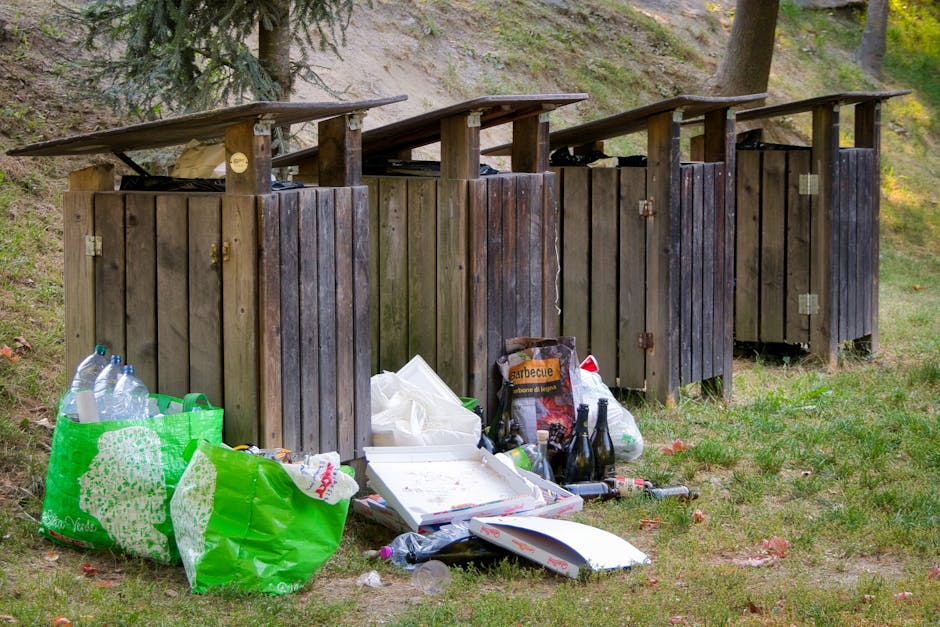
Common problems with access when collecting rubbish in Charlton
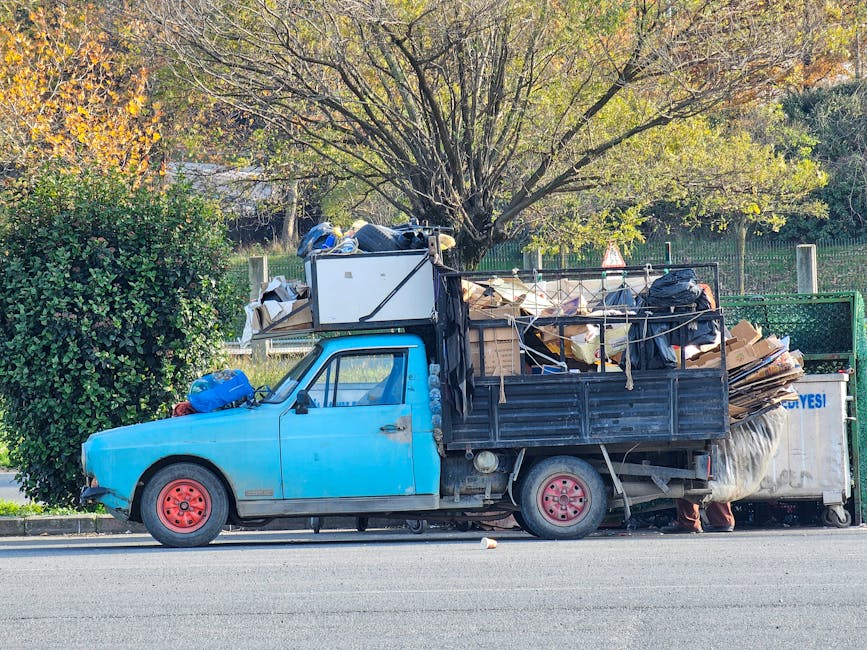
If you have ever tried to get rid of bulky waste on a tight Charlton street, you will know the hassle can start before the collection van even arrives. A narrow hallway, a shared entrance, a parked car blocking the kerb, or a flight of awkward stairs can turn a simple rubbish collection into a slow, frustrating job. The common problems with access when collecting rubbish in Charlton are usually not dramatic on their own, but together they can delay the work, increase handling time, and make everything feel more complicated than it should be.
This guide breaks down the practical access issues people face, why they matter, how collections are usually planned around them, and what you can do to make the whole process smoother. Whether you are clearing a flat, a house, a garage, or an office, a bit of preparation can save a lot of awkward back-and-forth. And, to be fair, it is often the small things that cause the biggest headache.
Why Common problems with access when collecting rubbish in Charlton Matters
Access sounds like a small operational detail, but in waste collection it is often the difference between a quick, tidy removal and a long, messy one. In Charlton, where you may see terraced homes, flats, side returns, shared driveways, and busier roads with limited stopping space, access issues are part of everyday planning. If the crew cannot get close enough to the waste, every item has to be carried further, manoeuvred carefully, and sometimes broken down before removal.
That matters for a few reasons. First, it affects safety. Heavy furniture, broken materials, and mixed rubbish are far easier to handle when the route is clear. Second, it affects timing. A collection that should take one visit can stretch out if the team has to wait for gates to be opened, vehicles moved, or lift access to become available. Third, it affects cost and expectations. If a collection was priced on the assumption of straightforward access, a hidden obstacle can change the amount of labour involved.
There is also a trust angle here. Clear access information helps everyone understand what is being collected, where it is located, and whether extra preparation is needed. No one likes surprises on the day. Especially not when the front garden is full of old timber, or the sofa has to come down three tight turns of stairs. You can almost hear the scrape of a bulky item catching on the banister before it happens.
Practical takeaway: the better the access information you provide in advance, the smoother the collection, the safer the handling, and the less likely you are to face delays or last-minute changes.
How Common problems with access when collecting rubbish in Charlton Works
In practice, rubbish collection access is about the route from the collection vehicle to the waste itself. A good team will look at that route before anything heavy is moved. They are checking how close the vehicle can park, whether there is a clear path to the property, whether the waste is inside a flat or loft, and whether there are any physical barriers such as stairs, locked gates, low arches, or restricted parking.
A simple house clearance might be straightforward if the rubbish is piled in the front garden and the van can park outside. But if the same amount of waste is in a basement room, behind a narrow communal corridor, or across a courtyard with no direct vehicle access, the job becomes more time-consuming. The access issue does not stop the collection, but it changes the way the collection is carried out.
Common access problems usually fall into a few patterns:
- Limited vehicle access: no safe place to stop, parked cars blocking the property, or a street too narrow for convenient loading.
- Narrow internal routes: tight hallways, steep stairs, low ceilings, or corners that make large items difficult to turn.
- Shared or restricted entrances: intercoms, codes, concierge desks, or neighbours who need to be consulted before access is allowed.
- Long carry distances: rubbish stored at the rear of a garden, in a loft, or far from the loading point.
- Unsafe loading conditions: uneven ground, poor lighting, wet surfaces, or cluttered pathways.
In a real-life collection, these issues often overlap. A flat clearance on an upper floor may involve a shared staircase, a door code, and no nearby parking. A garden clearance may look easy from the front, but the waste might be at the far end of a narrow side return with a locked gate and loose paving stones. It all adds up.
Key Benefits and Practical Advantages
Getting access right is not just about avoiding problems. It brings real, practical advantages that people often only appreciate once the collection is underway.
| Access planned well | Access left unclear |
|---|---|
| Faster loading and less waiting time | Delays while issues are checked on arrival |
| Safer lifting and moving | Higher risk of bumps, trips, or awkward handling |
| More accurate expectations | Possible changes to labour or scheduling |
| Easier sorting of recyclable items | Waste may be harder to separate efficiently |
| Smoother customer experience | More stress for everyone involved |
The biggest benefit is usually peace of mind. Once the team knows where the rubbish is, how it will be moved, and what obstacles are in the way, they can work in a steady, sensible way. That calm, methodical approach matters, especially when collections involve fragile items, sharp edges, or heavy mixed waste.
Good access planning can also improve the quality of the clearance itself. A clear route means there is less chance of damage to walls, floors, and doors. It also makes it easier to separate items for reuse, recycling, or disposal. If you care about responsible waste handling, that is a welcome bonus. For more on the approach to environmentally aware waste handling, see the site's recycling and sustainability guidance.
Who This Is For and When It Makes Sense
This topic is relevant to almost anyone arranging waste removal in Charlton, but a few situations come up again and again.
- Flat residents: especially in upper-floor flats, maisonettes, and properties with shared stairwells.
- Homeowners: where rubbish is stored in gardens, side passages, lofts, garages, or basements.
- Landlords and agents: dealing with clearance between tenancies, where access details can be incomplete or changing.
- Businesses: offices and back-of-house areas often have loading constraints, delivery bays, or timed access windows.
- Trades and refurb teams: builders' waste can pile up in awkward spots very quickly, especially during renovation work.
It also makes sense if you already know access is awkward. Maybe the lift is out. Maybe the skip won't fit. Maybe your front gate opens only halfway because of the bin store. In those cases, planning the collection around the site is more important than the waste type itself. That is especially true for services such as flat clearance, house clearance, and office clearance, where access is often the real variable.
If you are clearing mixed household items, old furniture, or garage clutter, the same principle applies. A collection can go smoothly one week and be awkward the next, simply because a car is parked in the wrong spot or a gate is temporarily locked. Annoying, yes. But manageable.
Step-by-Step Guidance
Here is a simple process you can follow to reduce access problems before the collection day.
- Walk the route from the waste to the vehicle space. Do this slowly. Look for stairs, doors, corners, trip hazards, and anything too narrow for larger items.
- Measure the awkward bits. A quick tape measure check can help with door widths, stair landings, and tight hallways. You do not need an architect's drawing; just the key pinch points.
- Check parking and stopping space. If a vehicle cannot stop nearby, note the nearest practical loading point and how far waste will need to be carried.
- Identify access permissions. Make sure someone has keys, entry codes, or landlord approval if needed.
- Separate the easy items from the difficult ones. Keep bulky furniture, fragile items, and loose rubbish in groups if possible.
- Remove small blockers in advance. Move bikes, plant pots, bins, and anything else that will slow the path down.
- Tell the collection team about the real conditions. Not the ideal version. The real one. If the lift is small, say so. If the garden path is muddy, say so.
- Be available at arrival if possible. A five-minute delay can become twenty if no one can open a gate or answer the buzzer.
One very practical point: if you think an item might need dismantling, mention it early. A wardrobe wedged into a loft hatch is a very different job from a wardrobe sitting in the driveway. The same goes for builders' waste, where plasterboard, timber offcuts, and bagged rubble can end up in awkward stacks. If that sounds familiar, the information on builders' waste clearance can be helpful.
Expert Tips for Better Results
After enough collections, certain patterns become obvious. A few small habits make a disproportionate difference.
- Use photos when describing access. A picture of the staircase, gate, or parking area is often more useful than a long explanation.
- Keep one route completely clear. Do not spread items across multiple rooms if they can be gathered closer to the exit.
- Think about timing. Early mornings can be easier for parking, while some shared buildings are calmer before residents head out.
- Label anything sensitive or hazardous. Even basic separation helps the crew plan the handling order.
- Allow extra time for flats and upper floors. That is not pessimism. It is realism.
- Check bin stores, gates, and communal areas. These are common pinch points that people forget about until the van arrives.
If you are dealing with household items rather than mixed rubbish, the same advice still stands. A collection from a living room often sounds simple until the sofa does not fit through the landing. For those situations, pages such as furniture clearance and furniture disposal are useful reference points for planning bulky items around access.
A small but useful habit: leave the final route light, dry, and obvious. If the path looks tidy and deliberate, everything tends to go better. Truth be told, people underestimate how much a clear corridor helps morale on the day. It does.
Common Mistakes to Avoid
Most access problems are avoidable, but a few mistakes crop up repeatedly.
- Assuming "it will be fine". This is the big one. A route that looks manageable in your head may be impossible with a fridge, mattress, or stacked bags.
- Forgetting about parked cars. Even if your property is easy to reach, street parking can block the practical loading point.
- Leaving access checks until collection day. By then, it may be too late to solve the issue without delay.
- Underestimating communal rules. Flats, offices, and managed buildings often have access windows or entry requirements.
- Mixing everything together. When items are piled randomly, the path gets cluttered and the load order becomes harder to manage.
- Not mentioning stairs or split levels. Steps are one of the quickest ways to slow a clearance.
Another common slip is thinking that a small pile of rubbish cannot cause much trouble. Sometimes it cannot. But sometimes that "small pile" is just in the wrong place, behind the shed, through a narrow side gate, on a wet patch of paving. Suddenly it is a different story.
Tools, Resources and Recommendations
You do not need specialist equipment to prepare for a rubbish collection, but a few simple tools help more than people expect.
- Tape measure: useful for doors, stair width, and awkward corners.
- Phone camera: ideal for sending pictures of the route, parking area, and waste location.
- Pen and paper: old-fashioned, yes, but handy for writing entry codes, names, or site notes.
- Gloves and sturdy shoes: useful if you are moving a few items yourself before the crew arrives.
- Torches or lighting: basement spaces, lofts, and rear paths can be dim even in daylight.
On the information side, the most useful resources are the service and policy pages that explain how the company works, what to expect, and how to raise concerns if something is not right. For example, if you want a sense of how quotes are handled or what factors can affect a job, the pricing and quotes page is worth reading. If you want reassurance about handling standards and job safety, the health and safety policy and insurance and safety information are sensible places to look.
And if access has become a recurring issue for your building, it is not a bad idea to keep a little access note for future collections. Just a short list: gate code, parking instructions, best entry point, and any restrictions. That tiny note can save a lot of repetition later on.
Law, Compliance, Standards, or Best Practice
Access planning is not just a convenience issue. It also sits alongside normal UK expectations around safe working, property access, waste handling, and reasonable care. Without turning this into a legal lecture, the general principle is straightforward: waste should be collected in a way that is safe for workers, residents, and the property itself.
Best practice usually includes:
- making sure the collection route is reasonably safe and free from obvious trip hazards;
- avoiding damage to shared areas, walls, doors, and flooring;
- keeping staff informed about restricted or difficult access before arrival;
- handling waste in line with appropriate sorting and disposal expectations;
- respecting building rules, tenancy arrangements, and site permissions.
If you are arranging a clearance in a flat block, office building, or managed site, access permissions matter as much as the rubbish itself. A locked communal entrance or a restricted loading bay can change the logistics completely. That is why services like business waste removal and office clearance often rely on accurate site information before the job is confirmed.
There is also a fair-use expectation on both sides. The customer should describe the site honestly. The collection team should explain any access limits, likely constraints, and what happens if conditions are different on arrival. Simple, really. But it saves trouble.
Options, Methods, or Comparison Table
Different access challenges call for different approaches. Here is a practical comparison of the most common ones.
| Method | Best for | Pros | Limitations |
|---|---|---|---|
| Direct vehicle access | Driveways, front gardens, ground-floor clearances | Fastest and easiest to load | Not always possible on Charlton streets |
| Short carry route | Homes and flats with nearby stopping space | Good balance of speed and convenience | Parking may still be tight |
| Internal carry through stairs or corridors | Flats, maisonettes, offices | Works where vehicle access is limited | More labour, more care needed |
| Pre-dismantling bulky items | Large furniture, wardrobes, desks | Makes awkward items manageable | Needs planning and the right tools |
| Staged clearance | Big or cluttered properties | Reduces congestion and confusion | Takes more coordination |
In many cases, the best option is a mix of methods. For example, a garage clearance might start with items moved to the driveway, then loaded from the front. A loft clearance might need careful dismantling first, then a short carry down the stairs. If the building is especially tight, a staged approach is often calmer and safer than trying to do everything at once. There is no prize for rushing and bruising a wall, after all.
Case Study or Real-World Example
Imagine a Charlton terrace where the rubbish is split between the back garden, a kitchen extension, and the top landing. On paper, it looks like a standard household clearance. In reality, the front street has limited parking, the rear access is through a narrow side gate, and the garden path is uneven after recent rain.
What usually happens in a situation like this? A sensible collection plan starts with the best route, not the easiest assumption. The crew may ask for photos of the gate and path, check whether the garden items can be grouped closer to the exit, and confirm whether any larger pieces need dismantling. If the client has already moved loose bags into one corner and cleared the hallway, the job becomes much more manageable. If not, everything takes longer and the handling becomes fussier.
The difference is often about ten minutes of preparation at the customer end and a few clear instructions before arrival. Nothing dramatic. Just practical. That is the pattern you see again and again, especially with home clearance and garage clearance work where the waste is spread across more than one space.
One small moment stands out in jobs like this: the relief when the main route is finally clear and the whole task stops feeling like a puzzle. You can almost feel the pace settle down. It is a simple thing, but it changes the day.
Practical Checklist
Use this checklist before a rubbish collection where access may be tricky.
- Have you walked the full route from waste to vehicle?
- Are all gates, codes, and keys ready?
- Is parking or stopping space likely to be available?
- Have you told the team about stairs, tight corners, or lift restrictions?
- Are bulky items likely to need dismantling?
- Have you cleared loose clutter from the access route?
- Are communal areas, neighbours, or building managers aware if needed?
- Have you taken photos of any awkward access points?
- Are wet, dark, or uneven areas marked or avoided?
- Do you know where the waste is stored and what needs to be taken first?
If you can answer yes to most of those, you are in good shape. If not, that is fine too. Better to spot the issue now than when the van is already outside and someone is trying to squeeze a mattress through a hallway that was clearly designed by a very optimistic architect.
Conclusion
The common problems with access when collecting rubbish in Charlton are usually practical rather than complicated: narrow entrances, parking limits, stairs, shared access, and long carry distances. None of them are deal-breakers on their own, but they do need proper planning. When you understand the route, prepare the space, and share the details honestly, the collection becomes safer, faster, and less stressful.
That is the real goal here. Not perfection. Just a clean, workable plan that saves time and avoids avoidable friction. And if you are already dealing with a cramped hallway, a stubborn gate, or a pile of items that seems to have multiplied overnight, you are not alone. It happens all the time.
Get a free quote today and see how much you can save.
If you want a clearer view of the service process, the team background, or how support is handled, take a look at the about us page or get in touch through the contact page. A short conversation can save a lot of guessing, and that alone is worth it.
Frequently Asked Questions
What are the most common access problems when collecting rubbish in Charlton?
The most common issues are limited parking, narrow hallways, stairs, locked gates, shared entrances, and long carry distances from the waste to the vehicle. Flats and older properties tend to create the most access friction.
Do I need to measure doorways and stairs before collection?
It is not always required, but it helps a lot if you have bulky items such as sofas, wardrobes, or desks. A quick measurement can prevent surprises on the day.
What should I tell the collection team about access?
Tell them about parking, gates, codes, stairs, lift availability, narrow corridors, and whether the waste is in the front, back, loft, or basement. Photos are often useful too.
Can rubbish still be collected if the van cannot park right outside?
Usually yes, but the team may need to carry items further. That can affect the time needed and may change the practical setup for the job.
Are flat clearances more likely to have access issues?
Yes, especially in upper-floor flats, shared blocks, or buildings with restricted entry. Communal stairs, lifts, and parking restrictions can all affect the job.
How can I make a collection quicker?
Clear the route, group items together, make sure access codes are ready, and remove anything blocking the path. The simpler the route, the faster the work usually goes.
What if my garden waste is at the back of a long, narrow garden?
That is very common. Let the team know in advance so they can plan the carry route and decide whether any items need to be moved closer to the entrance first.
Does awkward access always mean extra cost?
Not always, but it can affect how the collection is planned because more labour or more time may be involved. It is best to discuss the site honestly rather than assume either way.
What happens if the access details I gave were incomplete?
The team may need to adjust the plan on arrival. In some cases, the collection can still go ahead, but there may be delays while the route is checked or items are repositioned.
Is it better to dismantle furniture before collection?
If access is tight, dismantling larger items can make removal much easier and safer. That said, only do this if it is sensible and safe to do so.
How does access affect office or business waste removal?
Business sites often have loading bays, timed access, security checks, or shared service areas. Clear instructions are especially important in those settings.
Where can I learn more about safety and responsible disposal?
You can read the site's health and safety information, insurance and safety details, and recycling and sustainability guidance for a better sense of how jobs are handled responsibly.