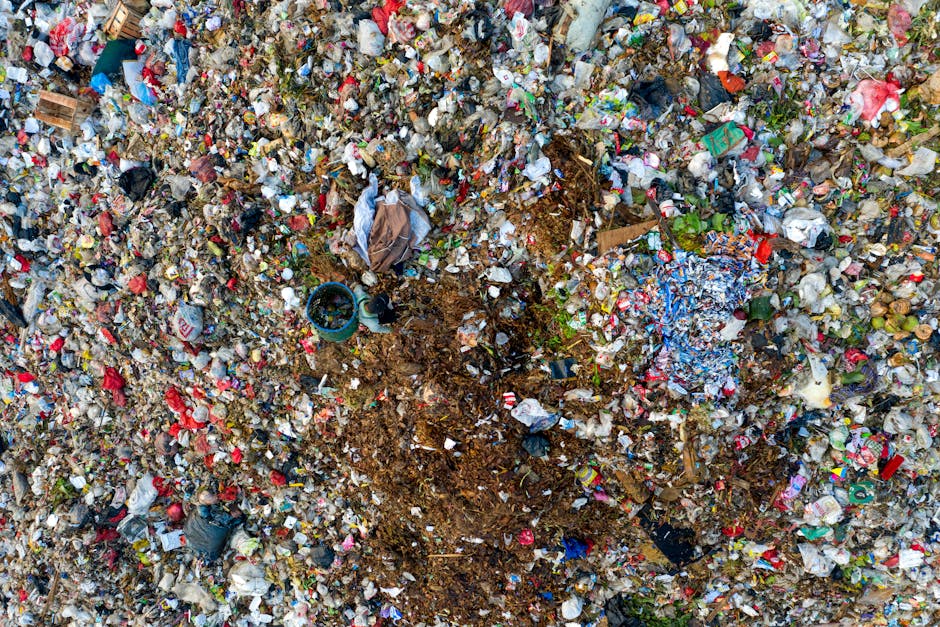
What to know about hazardous rubbish pickup in Charlton
If you have a leaky tin of paint in the shed, an old car battery in the garage, or a pile of cleaning chemicals tucked away after a clear-out, you already know this is not the sort of rubbish you want sitting around. What to know about hazardous rubbish pickup in Charlton is really about keeping people safe, avoiding messy mistakes, and making sure dangerous waste is handled the right way from the start.
Hazardous rubbish is different from everyday household junk. It can smell strong, react badly if mixed with other materials, or cause harm if it is damaged during transport. In a busy part of south-east London, where homes, flats, small businesses, and renovation projects all create different waste streams, that extra care matters. This guide walks through how pickup works, what counts as hazardous, what to prepare, and how to choose a sensible, compliant route without making life harder than it needs to be.
One useful thing to remember: the safest pickup is usually the one that is planned, labelled, and handled with a bit of patience. Rushing hazardous waste tends to create the very problems you were trying to avoid. Let's keep it practical.
Table of Contents
- Why hazardous rubbish pickup in Charlton matters
- How hazardous rubbish pickup works
- Key benefits and practical advantages
- Who this is for and when it makes sense
- Step-by-step guidance
- Expert tips for better results
- Common mistakes to avoid
- Tools, resources and recommendations
- Law, compliance, standards, or best practice
- Options, methods, or comparison table
- Case study or real-world example
- Practical checklist
- Conclusion
- Frequently asked questions
Why hazardous rubbish pickup in Charlton matters
Hazardous waste is not just "awkward rubbish". It is waste that can create risks because of its flammability, toxicity, corrosiveness, pressurised contents, sharp contamination, or environmental impact. That sounds technical, but in real life it often looks very ordinary: a half-used solvent, a cracked fluorescent tube, an old pesticide bottle, or a box of unknown household chemicals from a loft clear-out.
Why does that matter so much in Charlton? Because the moment hazardous items are mixed in with normal waste, stored badly, or carried in an unsuitable vehicle, the risk grows. A small spill in a hallway can become a chemical burn. A battery can short-circuit. A broken container can release fumes into a car boot. Not dramatic, just inconvenient? Sometimes. But more often it is a genuine safety issue.
There is also a practical side. Many households and businesses in Charlton are juggling limited storage space, tight schedules, and access issues like stairs, communal entrances, or restricted parking. Hazardous rubbish pickup needs to fit around those realities without creating more disruption than necessary. In our experience, the people who prepare properly usually have the smoothest experience. The ones who "just leave it by the door" tend to end up with delays, extra sorting, or a very awkward conversation.
Expert summary: If waste could leak, ignite, react, or contaminate other rubbish, treat it as hazardous until it is properly identified. That simple habit prevents a lot of avoidable problems.
How hazardous rubbish pickup works
At a basic level, hazardous rubbish pickup is a controlled collection process. The waste is identified, separated, packed safely, loaded carefully, transported by an appropriate operator, and sent for the correct treatment route. That might mean recovery, specialist recycling, or disposal at an authorised facility depending on the item.
The process usually starts with description rather than guesswork. A good provider will want to know what the item is, how much there is, whether the container is intact, and where it is stored. If you say "some old garden stuff" and it turns out to be pesticide, weed killer, and a busted fuel can, the pickup plan changes. Fair enough, because the risk profile has changed too.
In Charlton, pickup can take place from a home, garage, loft, shed, business unit, or renovation site. If the waste is mixed with other clearances, it may need separating first. For example, a household might need a garage clearance or house clearance alongside the hazardous items, while a small firm might combine it with office clearance or business waste removal. Mixing categories can be efficient, but only when the dangerous items are identified early.
There are a few things that usually happen behind the scenes:
- the waste is assessed for risk and type
- containers are checked for leaks, damage, or instability
- collection staff decide what protective handling is needed
- items are loaded so they do not tip, rub, or break in transit
- the waste is taken to the proper processing or disposal route
That sounds neat on paper. In the real world, it also depends on access, weather, packaging quality, and whether the waste has been stored sensibly. A damp cardboard box full of loose aerosol cans, for instance, is a problem waiting to happen. Best not to let it get that far.
Key benefits and practical advantages
The biggest benefit of a proper hazardous waste pickup is peace of mind. You are not wondering whether something dangerous is still lurking in the shed. You are not leaving staff, family members, or neighbours near a risk. And you are not trying to work out where to take the stuff yourself on a Saturday morning with a boot that already smells faintly of old varnish.
There are also some very real operational advantages:
- Safer handling: the right items are lifted, contained, and moved using proper care.
- Less disruption: a planned collection saves you from repeated trips and awkward storage.
- Better organisation: mixed waste can often be separated into suitable streams.
- Reduced risk of contamination: hazardous items are kept away from normal rubbish.
- More confidence on compliance: you can show the waste was dealt with responsibly.
For businesses, there is another advantage that people sometimes forget: reputation. If a worksite or office has unsafe waste lying around, that creates a poor impression and can interfere with day-to-day operations. For households, the advantage is simpler but just as important: you get your space back. A cluttered garage full of unknown containers is one thing. A clean, usable room is another entirely.
It is worth saying that hazardous rubbish pickup is often part of a wider clear-out journey. Someone may start with a loft, move on to a garage, then realise the shed needs attention too. If that sounds familiar, a structured service such as home clearance or loft clearance can be a practical way to deal with the full picture rather than one awkward bag at a time.
Who this is for and when it makes sense
Hazardous rubbish pickup makes sense for more people than you might think. It is not just for industrial sites or major refurbishments. In Charlton, we commonly see it linked to ordinary life moments: a move, a death in the family, a long-overdue shed clear-out, or the end of a building project that has left behind assorted chemicals and materials.
You may need it if you are:
- a homeowner with old cleaning products, paint, fuel, or batteries
- a landlord clearing left-behind items after a tenancy change
- a tradesperson dealing with leftover contractor materials
- a small business storing waste from maintenance or repairs
- someone sorting a garage, loft, or basement with mixed contents
- an office manager arranging the removal of old equipment or consumables
It also makes sense when normal disposal routes are not suitable. Some items simply should not go into general waste or mixed recycling. Others may be accepted only under specific conditions, and if you are not sure what those are, it is easy to make a wrong move. That is the moment to pause, not improvise.
A good rule of thumb: if the item is labelled as harmful, smells strongly chemical, is pressurised, or could leak oil, acid, solvent, or fuel, treat it with caution. And if the label is missing entirely? Even more caution. Unknown contents are not a fun surprise, honestly.
Step-by-step guidance
If you want the pickup to go smoothly, the best approach is to prepare in stages. No drama, just sensible sequencing.
- Identify the waste. Make a list of what you have. If you can, note the container type, size, and condition.
- Separate hazardous from non-hazardous items. Do not leave paint tins, solvents, batteries, or broken fluorescent tubes sitting in the same pile as clean household rubbish.
- Keep the originals if safe to do so. Labels can help determine the right handling route. If the label is damaged, photograph it before moving anything.
- Check access. Think about stairs, narrow doors, parking, and whether the items are in a loft or locked garage. Small details make a big difference.
- Contain leaks and damage. If a container is already compromised, do not transfer it casually into something unsuitable. Double-bagging or secondary containment may be needed, but only if it is safe.
- Arrange a suitable collection. Hazardous waste should be collected by someone who understands the handling requirements, not just someone with a van and optimism.
- Confirm what happens next. Ask how the waste will be moved and processed so you know it is going to the proper route.
It helps to keep the area clear around the waste before the pickup day. A little space around the items makes lifting safer and quicker, especially in tight Charlton terraces or flats where every step counts. If the waste sits in a harder-to-reach part of the property, mention that early. Nobody likes surprises at the top of a steep loft ladder.
Simple preparation checklist before collection
- Separate chemicals, batteries, aerosols, lamps, and solvents
- Leave items in original containers if possible
- Do not mix different substances together
- Keep children and pets away from the area
- Make sure collection staff can reach the waste safely
- Photograph unclear labels or damaged packaging
Expert tips for better results
A few small habits can make a hazardous pickup go much better. These are the details people tend to overlook, and then regret five minutes later.
First, do not over-handle items. If something is corroded, warm, cracked, or smells pungent, leave it alone until you know what you are dealing with. Lifting it twice is not heroic. It is just another chance to spill it.
Second, keep categories separate. Batteries should not be buried under bagged household rubbish. Paint should not be tipped together with garden chemicals. Different waste streams can require different handling, and mixing them creates headaches.
Third, think about the weather. On a wet January morning, damp packaging can weaken fast. On a warm day, some substances may give off stronger odours. Tiny seasonal details matter more than people think.
Fourth, get the timing right. If you are moving home, renovating, or clearing a property, arrange pickup before the final rush. It is much easier to deal with hazardous items while the space is still organised.
Fifth, ask clear questions. If you are booking through a wider waste service such as waste removal, make sure hazardous items are flagged separately. That is one of the easiest ways to avoid delays or missed items.
And yes, sometimes you will find one mystery bottle in the corner that nobody claims ownership of. Lovely. In that case, record what you can safely see and do not guess the contents. Guessing is not a strategy here.
Common mistakes to avoid
A lot of the problems around hazardous rubbish pickup come from simple, understandable mistakes. Most are fixable, but they can still create a stressful morning.
- Mixing hazardous and general waste: this is the big one. It complicates sorting and increases contamination risk.
- Leaving leaking items unattended: even a small leak can spread quickly through cardboard, flooring, or storage shelves.
- Removing labels too soon: labels often help identify the correct treatment route.
- Storing everything in a hot shed for months: not ideal, especially for aerosols, solvents, or batteries.
- Assuming all "old stuff" is harmless: age does not make waste safe.
- Forgetting about access: a narrow staircase or blocked driveway can turn a simple pickup into a slow one.
Another common slip is waiting until a full clearance is underway before mentioning hazardous items. By then, the collection plan may need changing. It is always better to raise it upfront, even if the items seem minor. Minor can still be messy.
If hazardous items are part of a larger property clean-up, services such as flat clearance, garage clearance, or house clearance can help organise the wider job, while hazardous objects are handled separately and more carefully.
Tools, resources and recommendations
You do not need specialist equipment for every situation, but a few basic tools can make preparation safer and cleaner.
- Sturdy gloves: useful for light handling, though not a substitute for proper precautions.
- Torches: handy in lofts, garages, and corners where labels are hard to read.
- Marker pens and tape: good for noting "do not move" or grouping similar items.
- Seal-able tubs or trays: helpful for containing minor drips from safely handled items.
- Phone camera: simple, but very useful for photographing labels and layouts before items are moved.
For broader planning, it can help to look at the provider's general pages on safety and responsibility. The pages on health and safety policy, insurance and safety, and recycling and sustainability are useful signposts for understanding how a company thinks about risk, handling, and responsible disposal.
If you are arranging payment or comparing quotes, the pages on payment and security and pricing and quotes can also be helpful. With hazardous rubbish, price is never the only factor, but clarity matters. A vague quote tends to stay vague until it becomes expensive.
If you are still deciding who to use, it is sensible to learn a bit more about the company background too. The about us page can give useful context on approach and service style, while the contact us page is the obvious next step if you need to describe a tricky collection in plain English.
Law, compliance, standards, or best practice
Hazardous waste in the UK is an area where best practice really does matter. You do not need to memorise legislation to act responsibly, but you should assume that dangerous waste needs to be treated separately, tracked sensibly, and passed to people who know what they are doing.
In practical terms, that means:
- keeping hazardous items separate from general rubbish
- identifying what you have as accurately as you can
- avoiding unsafe storage or uncontained leaks
- using a collection route suitable for the item type
- keeping clear records where a business duty requires it
For businesses, the expectations are usually stricter because waste management is part of day-to-day operational control. If you run a site, office, shop, or trade operation, you should be especially careful not to mix risky items into standard waste streams. A small oversight can create a much bigger issue later, and nobody wants that conversation after the fact.
Best practice also includes using clear communication. Say what the waste is, where it is stored, whether any containers are damaged, and whether there are access limits. That is not over-sharing. It is just being precise enough for the job to be done safely.
Options, methods, or comparison table
There are a few ways people deal with hazardous rubbish, and the right one depends on quantity, urgency, access, and how mixed the items are. Here is a simple comparison.
| Option | Best for | Advantages | Limitations |
|---|---|---|---|
| Self-handling and sorting | Very small amounts that are well-labelled and stable | Useful for planning and separation | Can be risky if items are damaged or unidentified |
| Planned collection with waste specialists | Mixed or larger hazardous loads | Safer handling, better organisation, less stress | Needs advance details and good access planning |
| General clearance with hazardous items flagged separately | Homes, garages, lofts, offices, or flats with mixed waste | Efficient for wider clear-outs | Hazardous items still need separate treatment |
For many people in Charlton, the second or third option is the most realistic. A homeowner might need a broader property clear-out, while a small business might need regular business waste removal plus a one-off hazardous pickup. The point is not to choose the flashiest route. It is to choose the one that fits the waste you actually have.
Case study or real-world example
Imagine a small Charlton household clearing a garage after years of slow accumulation. There are garden tools, old cardboard boxes, a broken lamp, some unused paint, a bottle of white spirit, and a couple of batteries from old equipment. At first glance, it looks like a straightforward tidy-up. Then the smell in the box with the paint tins reminds everyone that some of these items are not normal rubbish at all.
The sensible move is to stop sorting randomly. The family separates the paint, solvent, batteries, and lamps from the rest of the garage contents. They photograph labels, keep the items upright, and clear space around them so they can be reached easily. The remaining non-hazardous bits go into a standard garage tidy-up plan, while the risky items are prepared for controlled pickup.
What changed the outcome? Not luck. Just slower, clearer decisions. The job went from "ugh, this is a mess" to "right, that is manageable". You can feel the difference in the room, too. Less clutter, less anxiety, and that slightly cleaner air you notice when old chemical smells finally leave the space.
That same approach works for a flat with limited storage, an office with old cleaning products, or a house where the loft has become the unofficial museum of forgotten containers. The details differ. The principle does not.
Practical checklist
Use this checklist before hazardous rubbish pickup in Charlton:
- Have I identified every item that may be hazardous?
- Are the containers intact and standing safely?
- Have I kept chemicals, batteries, aerosols, lamps, and fuels separate?
- Are labels visible or photographed?
- Is the pickup area clear and accessible?
- Have I told the provider about any leaks, smells, or damaged packaging?
- Do I know which items are going as part of a wider clearance and which need separate handling?
- Have I kept children, pets, and non-essential people away from the area?
- Do I understand the next step for treatment or disposal?
If you can tick those off, you are already ahead of the game. Simple, but effective.
Conclusion
Hazardous rubbish pickup in Charlton is really about three things: safety, clarity, and sensible planning. If you know what you have, separate it properly, and arrange the right kind of collection, the process becomes much easier to manage. It also becomes a lot less stressful, which is not nothing when you are dealing with old paint, sharp contamination, or mystery containers from the back of a garage.
Whether you are clearing a home, preparing a business unit, or untangling years of stored items, the key is not to rush the dangerous stuff. Take a breath, sort it carefully, and let the right people handle the part that needs expert care. That approach tends to save time in the end, which is always a pleasant surprise.
Get a free quote today and see how much you can save.
Frequently Asked Questions
What counts as hazardous rubbish in a home or garage?
Hazardous rubbish usually includes items that can leak, burn, react, corrode, or contaminate other waste. Common examples are paint, solvents, fuel, pesticides, batteries, aerosols, fluorescent tubes, and some cleaning products. If the label warns of danger, treat it seriously.
Can I put hazardous items in my regular bin?
No, not if they are genuinely hazardous. Mixed with household rubbish, they can create risks during collection and processing. They should be separated and handled through a suitable pickup route.
Do I need to clean containers before collection?
Not usually. In many cases it is safer to leave items in their original containers, provided they are intact. If a container is leaking or damaged, mention it rather than trying to make it look tidy.
How do I prepare for hazardous rubbish pickup in Charlton if I live in a flat?
Focus on access and containment. Keep items stable, separated, and easy to reach. If you have stairs, lift access, or limited parking, mention that early so the collection can be planned properly.
What if I do not know what a container holds?
Do not guess or open it casually. Note any visible markings, keep it isolated if safe, and describe it clearly when arranging collection. Unknown contents deserve extra caution.
Can hazardous rubbish be collected with a normal house clearance?
Sometimes, yes, but only if the hazardous items are identified separately and handled correctly. A wider service such as house clearance or home clearance can work well when the dangerous materials are flagged in advance.
What should I do if a paint tin or chemical bottle is leaking?
Keep clear of the leak, avoid spreading it around, and do not mix it with other rubbish. If it is safe to do so, place it somewhere contained and explain the issue when arranging pickup.
Is hazardous rubbish pickup expensive?
It can cost more than standard rubbish removal because the handling is more specialised. The exact price depends on the type and amount of waste, access, and how much sorting is needed. A clear description helps avoid surprises.
How quickly can hazardous waste be collected?
That depends on availability and the complexity of the load. Small, well-described pickups are usually easier to schedule than mixed or damaged waste. If timing is tight, say so early.
Are batteries and old electronics hazardous?
Some batteries definitely are, especially if damaged or loose. Electronics can also contain components that need specialist handling. It is best to separate them rather than throw them into mixed rubbish.
What is the safest way to store hazardous rubbish before collection?
Keep it upright, dry, separated, and away from children or pets. Do not stack unstable items, and do not leave them next to heat sources. If a container is damaged, contain it as safely as you can and arrange collection promptly.
Who should I contact if the waste is part of a larger clean-up?
If the job includes a garage, loft, office, or full property clear-out, it helps to speak to a provider that can manage the wider waste too. Pages like garage clearance, loft clearance, and office clearance can be useful starting points when you are organising the bigger picture.